Soft Summer Color Palette: Colors, Outfits, and Capsule Wardrobe
 Reviewed by Alexandra Gilmore
Soft Summer is gentle but not necessarily pale; smoky navy, dusty rose, silvery sage, muted teal, and rose brown provide real depth. Build a capsule from softened neutrals and repeatable accents, then compare cool taupe against camel to keep the palette on the Summer side of muted.

Key Takeaways
- Soft Summer is cool-neutral, muted, and medium in value. Its best colors look as though gray has been mixed into blue, green, pink, purple, and brown. The result is gentle rather than pale: smoky navy, dusty rose, silvery sage, muted teal, and rose brown can all carry useful depth.
- Soft Summer sits between True Summer and Soft Autumn. Compared with True Summer, it needs more softness and less blue clarity. Compared with Soft Autumn, it needs less warmth: mushroom replaces camel, dusty peach replaces apricot, and silvery sage replaces golden olive.
- A practical wardrobe starts with four or five softened neutrals, then adds a small group of repeatable accents. Muted navy, charcoal, mushroom taupe, soft white, and washed denim make a flexible base for sage, storm blue, mauve, berry, and soft yellow.
- Yellow, peach, and brown are not automatically excluded. Choose versions with a cool or neutral cast and low saturation: chalky primrose instead of marigold, dusty peach instead of orange coral, and rose brown or cocoa taupe instead of rust.
- Brushed silver, pewter, white gold, and platinum are the easiest metals. Soft rose gold or mixed metals can work when the finish is muted and the surrounding clothing stays cool; highly polished yellow gold usually adds more warmth and contrast.
- Use the palette as a fitting tool, not a rulebook. Compare fabrics under your chin in indirect daylight. A useful color should make the face look more even while keeping the eyes, lips, and jawline visible without the fabric becoming the first thing you notice.
💫 Learn Seasonal Analysis
Ready to explore the complete seasonal color analysis system? Discover how to identify your seasonal type and unlock the perfect color palette that enhances your natural beauty.
Learn Seasonal Analysis →This guide focuses on the Soft Summer color palette and how to use it in clothing, outfits, metals, makeup, and hair. If you are unsure whether Soft Summer is your season, start with the comparisons below and then use What Season Am I? for a broader season check.
📚 Recent Articles
What Is Soft Summer?
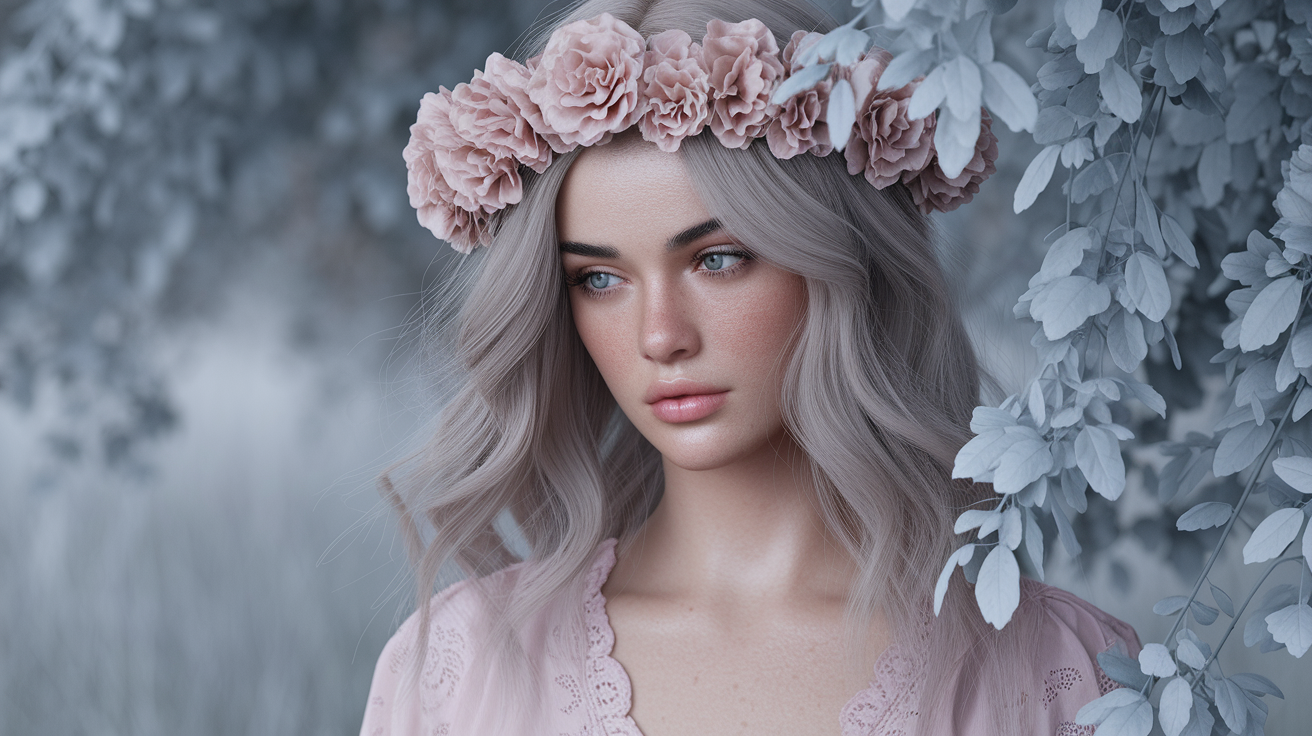
Soft Summer is one of the twelve seasonal color types. Its dominant quality is softness: skin, hair, and eyes usually create a blended impression rather than a sharp light-dark contrast. Its temperature is cool to neutral-cool, but the coolness may be subtle. Its value is usually light-medium to medium, with enough depth for charcoal, muted navy, cocoa taupe, and soft berry.
The season is not defined by one eye color, hair color, skin depth, or ethnicity. A Soft Summer may have fair, medium, deep, or dark skin; ash blonde, gray, or brown hair; and blue, gray, green, hazel, or brown eyes. What matters is the response to color. Softened cool shades tend to look integrated, while clear brights look separate and strongly warm earth tones can make the skin appear more yellow, red, or gray.
Check the pattern with fabric rather than relying on a photo or a list of features. Remove strong makeup, stand near a window without direct sun, and compare two colors of similar depth. Try smoky navy against black, dusty rose against tomato red, and silvery sage against warm olive. Watch the whole face. The better drape usually keeps the complexion even and the eye area clear without creating a hard edge below the chin.
One good comparison does not settle a season. Repeat the test across several color families and include neighboring palettes. Camera processing, colored walls, self-tanner, hair dye, and surface redness can all distort an isolated clue.
Soft Summer vs. Soft Autumn and True Summer
Soft Summer shares muting with Soft Autumn and coolness with True Summer. That is why the most useful question is not simply “Do cool colors suit me?” It is whether softness, coolness, or warmth has the greatest effect. Use the same fabric type, similar depth, and the same lighting so that only the color changes.
| Signal | Soft Summer | Soft Autumn | True Summer |
|---|---|---|---|
| Main quality | Muted first, then cool-neutral | Muted first, then warm-neutral | Cool first, with more clarity |
| Useful navy | Smoky or heathered navy | Soft marine navy or deep teal | Cool classic navy |
| Useful green | Silvery sage or eucalyptus | Moss, loden, or warm olive | Blue spruce or cool jade |
| Useful pink | Dusty rose or muted raspberry | Salmon rose or warm terracotta pink | Cool rose or raspberry |
| Harder colors | Orange, mustard, optic white, clear cobalt | Icy pastels, blue-pink, cool charcoal | Very grayed beige, muddy olive, dusty rust |
For Soft Summer vs. Soft Autumn, compare silvery sage with moss and rose brown with rust. If the warmer drapes make the skin look clearer and healthier, Soft Autumn becomes more likely. If the warm pigment becomes obvious before your face and increases yellow or orange shadows, Soft Summer is the stronger direction. See the focused Soft Summer vs. Soft Autumn comparison for a longer draping sequence.
For Soft Summer vs. True Summer, keep both drapes cool but change chroma. Compare smoky denim with clearer cornflower blue, or dusty berry with a cleaner cool raspberry. True Summer can usually carry the cleaner option; Soft Summer looks more balanced when the color is grayed. The dedicated Soft Summer vs. True Summer guide covers the boundary in more detail.
Soft Summer Color Palette by Color Family
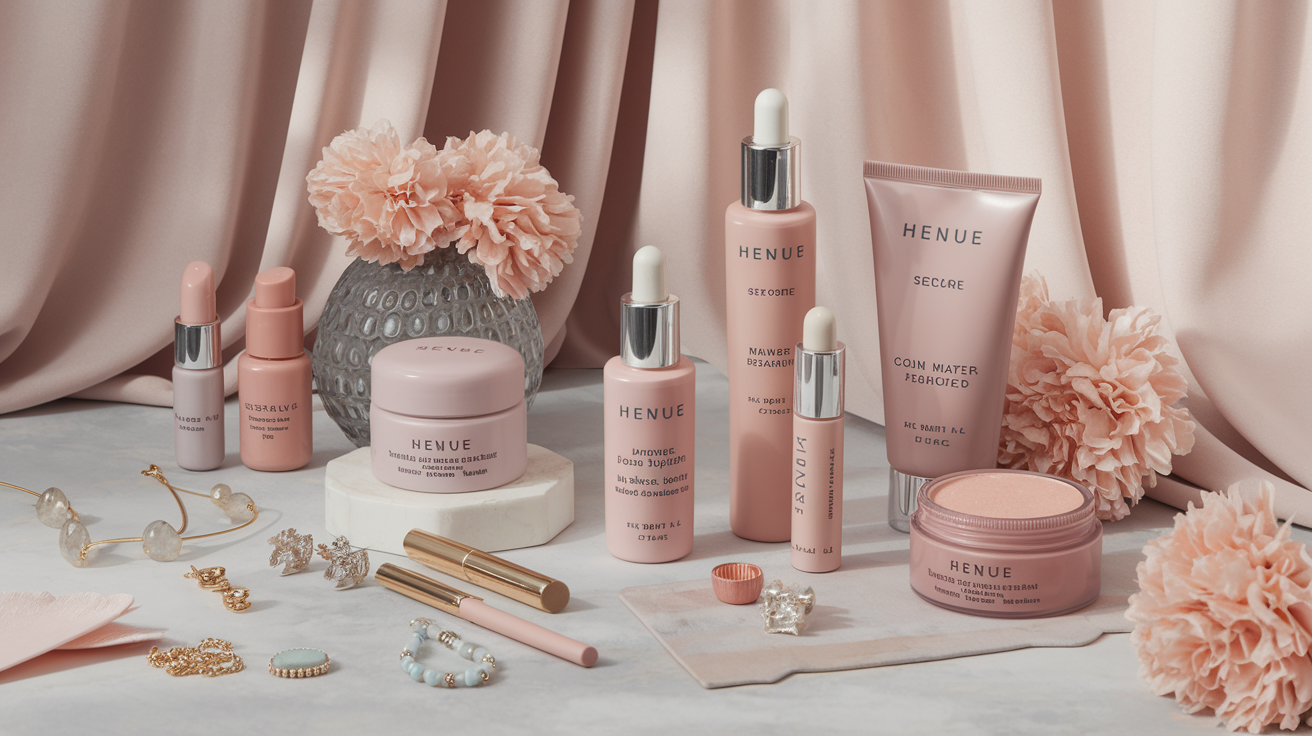
A usable palette needs range. If every swatch is a pale gray pastel, winter coats, shoes, bags, and evening outfits become difficult. Soft Summer can use medium and medium-deep shades as long as they remain softened and slightly cool. Build from neutrals, then choose accents that repeat naturally across several outfits.
| Family | Strong starting points | Adjust with care |
|---|---|---|
| Neutrals | Muted navy, soft charcoal, mushroom, cool taupe, dove gray, soft white | Jet black, optic white, golden camel |
| Blue | Storm blue, slate, dusty denim, faded cornflower, blue-gray | Electric cobalt, turquoise neon, very dark ink |
| Green | Silvery sage, eucalyptus, sea glass, muted teal, soft pine | Yellow olive, chartreuse, emerald |
| Pink and red | Dusty rose, mauve pink, rosewood, muted berry, soft cranberry | Tomato red, orange coral, hot pink |
| Purple | Heather, smoky lavender, muted plum, soft aubergine | Bright violet, red-purple neon |
| Yellow, peach, brown | Soft yellow, dusty peach, rose brown, cocoa taupe | Marigold, orange apricot, rust, chocolate with a red-gold cast |
Color names vary between brands, so inspect the color itself. A garment labeled sage may be cool and silvery or distinctly yellow and olive. A “dusty rose” may be a useful mauve pink or a warm terracotta. Put the garment beside a reliable palette neutral such as soft charcoal or smoky navy; a sudden orange or yellow cast becomes easier to see.
Navy, Sage, Yellow, Peach, Brown, and Metals
These are the color families that create the most shopping uncertainty. The answer is rarely a blanket yes or no. Temperature, saturation, depth, fabric texture, and distance from the face all change how a shade behaves.
| Color | Look for | Pair it with | Skip or move away from the face |
|---|---|---|---|
| Navy | Muted navy, smoky navy, softened ink | Dusty rose, sage, mushroom, soft white | Near-black navy with a crisp glossy finish |
| Sage | Silvery sage, eucalyptus, gray-green | Mauve, dusty denim, cocoa taupe | Golden sage or mustard olive |
| Yellow | Chalky primrose, soft lemon, faded straw | Slate, lavender-gray, muted navy | Marigold, mustard, vivid warm yellow |
| Peach | Dusty peach, pink-peach, softened shell | Rose brown, sea glass, pewter | Orange coral and bright apricot |
| Brown | Rose brown, mushroom brown, cocoa taupe | Soft blue, berry, sage, mauve | Rust, cognac, golden tan |
| Metals | Brushed silver, pewter, platinum, white gold | Pearl, gray-blue stone, muted amethyst | Large areas of polished yellow gold |
Muted navy is one of the most useful replacements for black because it supplies depth without a severe outline. Silvery sage works almost like a colored neutral. Soft yellow is easiest in a matte knit, small print, or layer rather than a glossy dress. Dusty peach should retain enough pink or gray to avoid an orange cast. Brown works when it looks like mushroom, rosewood, or cool cocoa instead of caramel.
Metal finish matters as much as metal color. Brushed and satin surfaces echo the palette's low chroma, while mirror shine creates a brighter point of contrast. If you prefer yellow gold, test a thin aged or matte piece, repeat a warmer neutral in the outfit, and judge the complete combination rather than the metal alone.
Soft Summer Capsule Wardrobe
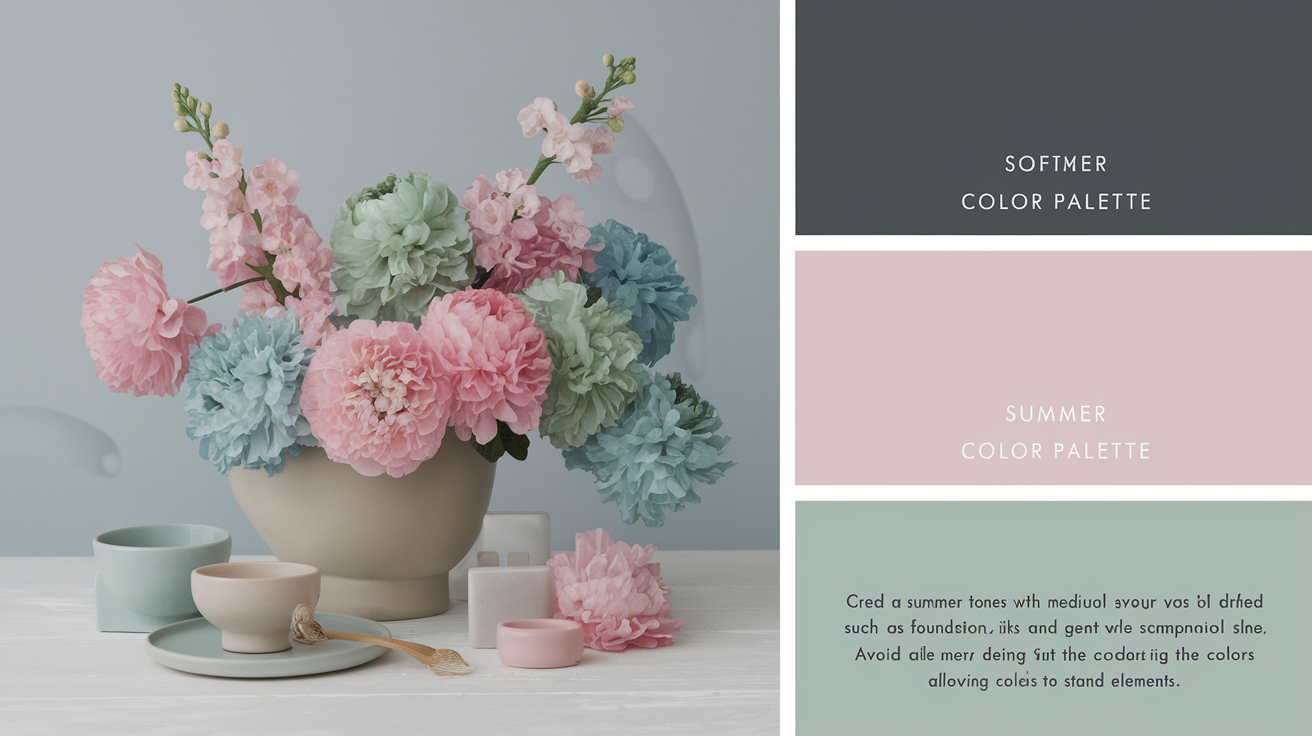
A capsule wardrobe works when most tops coordinate with most bottoms. Begin with two dark neutrals, two light-to-medium neutrals, and three accents. The example below uses muted navy and charcoal for depth; mushroom and soft white for lighter pieces; and silvery sage, dusty rose, and storm blue for color.
| Category | Capsule pieces | Why they connect |
|---|---|---|
| Layers | Muted navy blazer, mushroom cardigan, slate trench | All three work over the light neutrals and accents |
| Tops | Soft white tee, dusty rose blouse, sage knit, storm-blue shirt | Muted color keeps contrast controlled near the face |
| Bottoms | Charcoal trousers, washed blue jeans, cocoa-taupe skirt | Each bottom repeats a neutral already used above |
| One-piece options | Muted teal dress, soft navy jumpsuit | Medium depth works for day or evening with a metal change |
| Accessories | Pewter flats, rose-brown bag, mauve scarf, brushed silver jewelry | They repeat the capsule instead of adding unrelated warmth |
Do not buy the entire list at once. Photograph what you already own in neutral daylight, sort it into the closest palette families, and identify the missing connector. Often one muted layer or neutral shoe creates more combinations than another statement top. For a longer shopping list and seasonal variations, use the Soft Summer capsule wardrobe guide.
Soft Summer Outfit Formulas
An outfit formula is a repeatable relationship between pieces, not a fixed uniform. Keep contrast low to medium, repeat at least one color family, and let texture provide interest. If a favorite item is brighter or warmer, use less of it or place it below the waist.
| Use | Outfit formula | Easy variation |
|---|---|---|
| Casual | Dusty denim shirt + soft white tee + charcoal jeans + pewter sneakers | Replace the shirt with silvery sage |
| Office | Muted navy blazer + mauve blouse + mushroom trousers + brushed silver hoops | Use storm blue instead of mauve |
| Weekend | Sage knit + washed denim + rose-brown bag + soft gray shoes | Add a dusty peach scarf |
| Evening | Muted teal dress + pewter shoes + gray-blue stones + berry lip | Choose soft aubergine for more depth |
| Warm weather | Chalky soft yellow top + slate shorts + muted navy sandal | Swap yellow for pink-peach |
| Cold weather | Charcoal coat + smoky navy knit + cocoa-taupe trousers + mauve scarf | Add a heathered texture rather than a bright accent |
Prints are easiest when their background and largest motif both belong to the palette. Look for watercolor florals, blurred geometrics, heathered stripes, or low-contrast checks. A print combining soft white, storm blue, and sage will connect more easily than one that adds black outlines or a bright orange accent.
Makeup, Hair, and Accessories
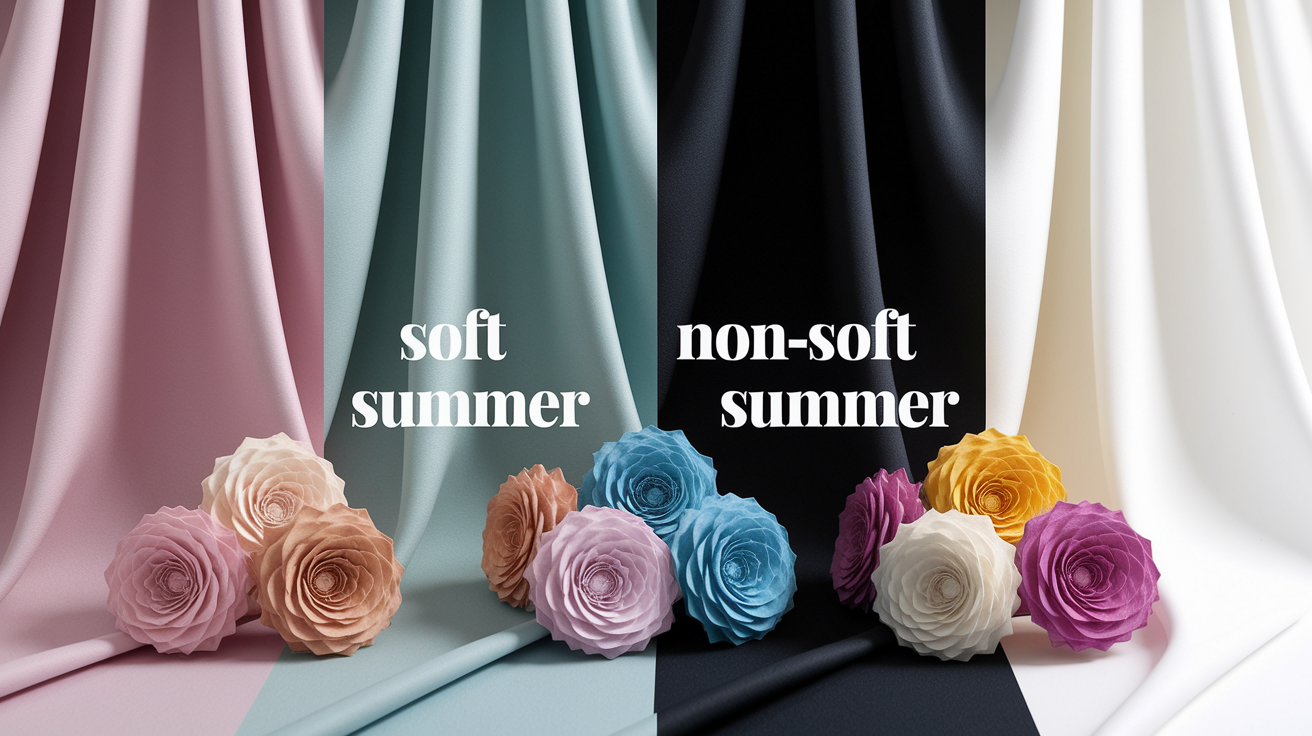
Carry the same three qualities into beauty choices: cool-neutral temperature, muted chroma, and gentle contrast. Foundation should match the skin rather than the seasonal palette, so test the undertone and depth on the jaw and neck. Use seasonal color for blush, lips, eyes, hair, and accessories.
| Area | Soft Summer options | Common mismatch |
|---|---|---|
| Blush | Dusty rose, mauve pink, muted berry | Orange coral or vivid peach |
| Lips | Rosewood, soft cranberry, mauve nude, berry stain | Tomato red or pale beige nude |
| Eyes | Cool taupe, pewter, smoky plum, slate, muted navy | Copper, orange brown, hard black liner |
| Hair | Ash brown, mushroom brown, cool dark blonde, soft gray blending | Brassy gold, copper red, blue-black |
| Frames and hardware | Pewter, smoky blue, mauve, soft charcoal, rose brown | Glossy black or bright yellow gold |
Makeup does not need to be pale. A softly diffused berry lip or charcoal-plum liner can create definition while staying within the palette. The issue is clarity and contrast, not darkness alone. Satin, cream, and soft-matte finishes usually integrate more easily than glitter or a mirror-like metallic.
Hair color is a longer-term decision, so preserve natural dimension and avoid making the result flatter than the palette. Fine highlights or lowlights in adjacent cool-neutral shades usually blend better than a high-contrast stripe. Read the Soft Summer hair color guide before choosing a salon formula, and use the broader Soft Summer clothing, makeup, jewelry, and hair guide for category-specific examples.
Colors to Adjust or Avoid
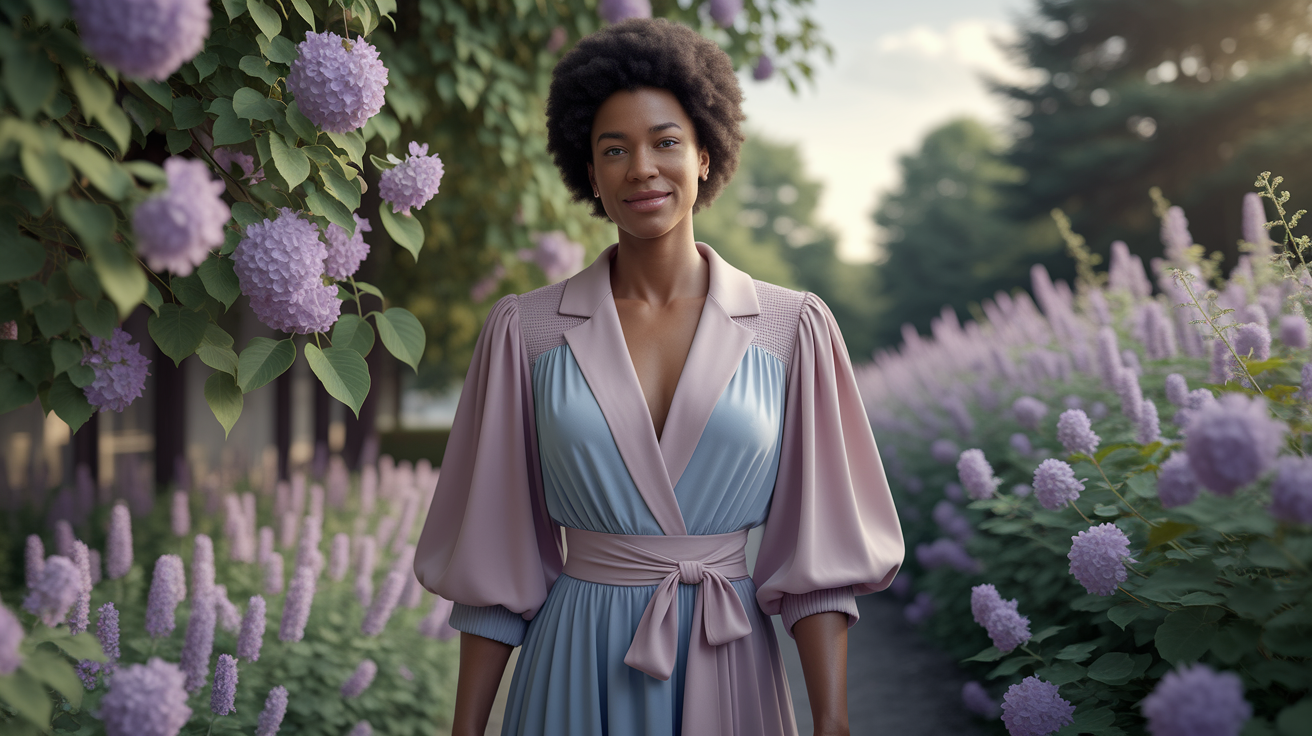
“Avoid” means a color is less likely to be easy near the face, not that it must leave your wardrobe. Change one variable at a time: soften saturation, cool the undertone, reduce the area, add texture, or move the color to shoes and bags.
| Harder version | Soft Summer adjustment | If you keep the original |
|---|---|---|
| Jet black | Soft charcoal or muted navy | Use below the waist or add a muted scarf |
| Optic white | Soft white, pearl gray, cool oyster | Break it with a low-contrast layer |
| Orange coral | Dusty peach, pink coral, muted watermelon | Use as a small print accent or shoe |
| Mustard | Chalky primrose or faded straw | Keep it away from the face and pair with slate |
| Cobalt | Storm blue or faded cornflower | Reduce the area and avoid black-white contrast |
| Rust or camel | Rose brown, mushroom, cocoa taupe | Repeat a cool color close to the face |
Personal preference, dress codes, cultural meaning, and availability all matter. The most useful palette is one that helps you combine what you own and recognize why one version of a color is easier than another.
People Also Ask
Can Soft Summer wear navy?
Yes. Muted navy, smoky navy, and heathered navy are among the strongest dark neutrals for Soft Summer. Choose a version that is softer than black and pair it with dusty rose, sage, mushroom, or soft white.
Can Soft Summer wear sage green?
Yes, when sage looks silvery or gray-green. A yellow olive version may suit Soft Autumn better. Compare the garment with cool taupe: if the green suddenly looks golden, choose a more eucalyptus or sea-glass direction.
Can Soft Summer wear yellow?
Soft Summer can wear a narrow group of softened yellows, including chalky primrose, faded straw, and gentle lemon. Matte texture and a small-to-medium area make yellow easier. Avoid strong mustard and orange-gold shades near the face.
Can Soft Summer wear peach or coral?
Choose dusty peach, pink-peach, shell, or muted watermelon rather than vivid orange coral. If the color makes redness or yellow shadows more noticeable, move it below the waist or replace it with dusty rose.
Common Questions: The Ultimate Color FAQ
How do I know if I am Soft Summer?
Look for a consistent response to muted cool-neutral drapes. Smoky navy, dusty rose, silvery sage, and cocoa taupe should look more balanced than black, tomato red, warm olive, and camel. Confirm the pattern across several families, then compare directly with Soft Autumn and True Summer.
What is the best Soft Summer neutral?
Muted navy is often the most versatile dark neutral, while mushroom taupe works well at a medium value. Soft charcoal, dove gray, washed denim, and soft white round out a practical neutral group. Your best choice depends on your natural depth and preferred contrast.
Can Soft Summer wear brown?
Yes. Look for rose brown, mushroom brown, cocoa taupe, and softened espresso without an orange-red cast. Pair brown with storm blue, muted berry, sage, or mauve to keep the outfit cool-neutral.
Is gold jewelry wrong for Soft Summer?
No. Brushed silver and pewter are easier starting points, but thin muted gold, aged gold, soft rose gold, or mixed metals may work. Compare finish, scale, and the complete outfit instead of treating jewelry as a diagnostic test.
What should I do if I am still unsure?
Repeat a controlled drape comparison in indirect daylight and take notes on skin evenness, shadows, and facial definition. Avoid deciding from eye or hair color alone. Then use What Season Am I? to compare the broader seasonal pattern and choose the next test.